-
 play_arrow
PUKfm
-
 play_arrow
London Calling Podcast Yana Bolder
-
 play_arrow
Summer Festival Podcast Robot Heart
-
 play_arrow
Electronic Trends Podcast Aaron Mills
-
 play_arrow
New Year Eve Podcast Robot Heart
-
 play_arrow
Techno Podcast Robot Heart
-
 play_arrow
Flower Power Festival Podcast Robot Heart
-
 play_arrow
Tech House Podcast Robot Heart
-
 play_arrow
Winter Festival Podcast Robot Heart
music_note


ENDOMETRIOSIS AWARENESS MONTH: A HIDDEN BATTLE
Caitlyn Miles
@Kaitlynmiles123
For many people living with endometriosis, severe pain can interrupt everyday life — including something as important as a university exam.
Rachel (a pseudonym), a second-year student, experienced this during a recent exam when intense pain suddenly spread through her lower back and abdomen. Hot flashes, nausea, and dizziness followed as her period began. With only thirty minutes left to complete the paper and several unanswered questions remaining, she had to decide whether enduring the pain was worth finishing the exam.
What Is Endometriosis?
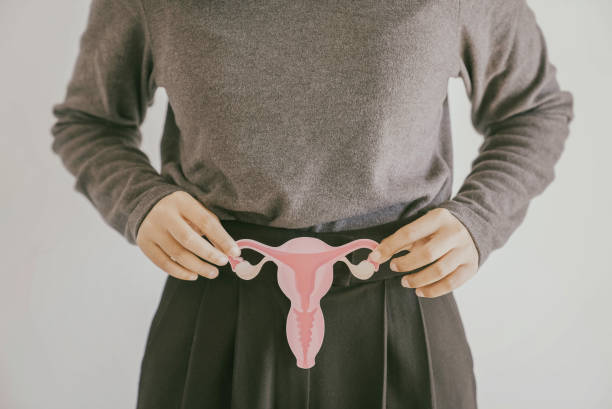
Endometriosis is a chronic condition where tissue similar to the uterine lining grows outside the uterus, and affects roughly 10% of reproductive-age people worldwide, according to the World Health Organization (WHO). The WHO reports that diagnosis can take between seven and ten years from the onset of symptoms.
Rachel’s Story
Her story begins in sixth grade, when she got her first period. While many young people experience confusion during this time, Rachel’s quickly became frightening when the bleeding lasted three weeks. Doctors told them it was a “normal hormonal fluctuation for young girls”.
In seventh grade, Rachel was prescribed birth control to regulate her periods. While it stopped the weeks-long bleeding, the pain intensified. Over the next few years, doctors tried several different contraceptives, each with new side effects. Severe acne, rapid weight gain, and constant nausea became part of daily life. Despite worsening symptoms, she was never referred to a gynaecologist.
Two years after her third birth control change, Rachel was lying in bed when sudden, severe pain hit her lower abdomen and back. Unable to move, she called for help. Her family rushed her to a public hospital, where she was admitted to the ICU. Doctors attributed the symptoms to spasmodic intestines, prescribing medication for acid reflux before sending her home. Later, when her family gained access to private healthcare, a scan finally revealed the cause of her symptoms: endometriosis. Rachel was nineteen when she received her diagnosis.
Passion and Patience
Dr Michaela Louw, who also lives with endometriosis, has become deeply passionate about the disease. She was diagnosed after collapsing from severe abdominal pain during her hospital internship, which led to emergency surgery. Since then, Dr Louw has researched the condition extensively, focusing on ways to manage inflammation and reduce the need for repeated surgeries.
She says her personal experience gives her deep empathy for patients living with the condition.
Endometriosis: What Does It Look Like?
Dr Louw explains that endometriosis occurs when tissue similar to the uterine lining grows outside the womb, often on the ovaries, fallopian tubes, bowels, or other organs in the abdominal cavity. Because the tissue responds to hormonal changes during the menstrual cycle, it can bleed and trigger severe inflammation throughout the body.
Some people have even had ectopic tissue in the lungs and brain. It causes sudden inflammatory responses and can also cause long-term chronic inflammation as the body tries to rid itself of the lesions bleeding in places where they should not be. Dr Louw explains that pain does not always correlate with the severity of the disease. Some people with early-stage endometriosis experience extreme pain, while others with advanced stages may have few symptoms.
Myths & Misinformation
One of the biggest myths, Dr Louw says, is that endometriosis is “just bad cramps”.
“As someone who has been hospitalised twice, you learn to live with chronic pelvic pain,” she says. The stigma around menstrual pain can also lead women to feel ashamed or guilty for being frequently ill.
Another myth she has faced is that pregnancy heals endometriosis. Although many people can experience major improvement in their level of pain after pregnancy, Dr Louw explains it could be because of suppression of lesions or the release of progesterone, which slows the growth for nine months but does not rid the body of the disease.
Why Does It Take So Long To Diagnose?
Dr Louw believes the long diagnosis delay is partly due to a lack of awareness and dismissive doctors. Chronic pelvic pain has many possible causes, and endometriosis is often mistaken for premenstrual syndrome (PMS), irritable bowel syndrome (IBS), or digestive problems. It was also previously labelled a rare disease, which Dr Louw says has now become more common. “It has been coined the cancer that doesn’t kill you.”
Tips, Tricks, and Solutions
Dr Louw has also adjusted her lifestyle to manage inflammation, focusing on anti-inflammatory foods. She recommends a Mediterranean-style diet rich in fibre, omega-3 fatty acids, ginger, and vitamins A, C, and E. Although there is currently no cure for endometriosis, Dr Louw challenges current “solutions”, saying that birth control does not address the root problem, nor does it solve the inflammation and hormonal problems. She encourages patients to find ways to cut out unnecessary inflammatory foods and products from their lives and encourages them to strengthen their bodies with more natural products if possible.
Life After Diagnosis
Now almost twenty-two, Rachel says life has become more manageable. She has found a gynaecologist who understands the condition and a treatment plan that works for her. Still, flare-ups remain painful. “It feels like a severe UTI,” she says. “Burning pressure in your lower abdomen and back during your period.” Rachel hopes that sharing her story will encourage more research into women’s reproductive health.
“Listen to your body,” she says. “You know when something is wrong.” This is advice that Dr Michaela Louw also encourages. Endometriosis affects millions of people worldwide, yet many still suffer in silence.
Edited by Kristen Welgemoed


Chart
-
-
-
 play_arrow
I Had Some Help (feat. Morgan Wallen) Post Malone
-
-
-
 play_arrow
Not Like Us Kendrick Lamar
-
-
Top popular

VARSITY CUP TICKET RESELLERS AND BUYERS – MAY BE DENIED ACCESS

UNANSWERED AND UNSPOKEN: NWU’S SILENCE ON SUSPENSION OF SCC STUDENT LEADER

NWU EXPELS STUDENT LEADER AFTER INTERNAL FINDING OF SEXUAL MISCONDUCT

MARCHING FOR JUSTICE AND POLICE ACCOUNTABILITY: THE TRUTH BEHIND THE TMM LOFTS PROTEST

DEGENAAR PRAAT OOR DIE NA-SKOK VAN ‘N TRAGEDIE

Post comments (0)