-
 play_arrow
PUKfm
-
 play_arrow
London Calling Podcast Yana Bolder
-
 play_arrow
Summer Festival Podcast Robot Heart
-
 play_arrow
Electronic Trends Podcast Aaron Mills
-
 play_arrow
New Year Eve Podcast Robot Heart
-
 play_arrow
Techno Podcast Robot Heart
-
 play_arrow
Flower Power Festival Podcast Robot Heart
-
 play_arrow
Tech House Podcast Robot Heart
-
 play_arrow
Winter Festival Podcast Robot Heart
music_note


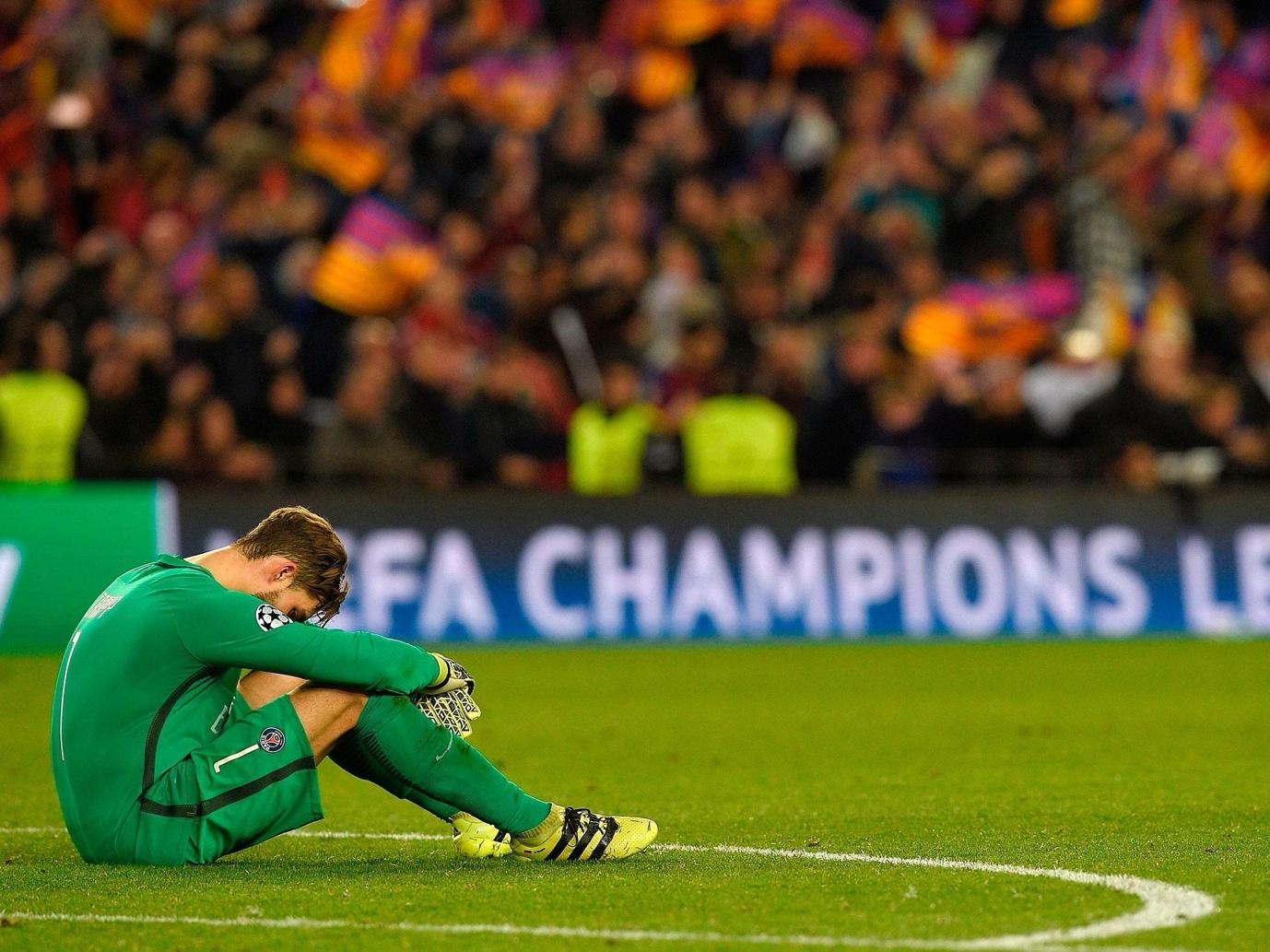
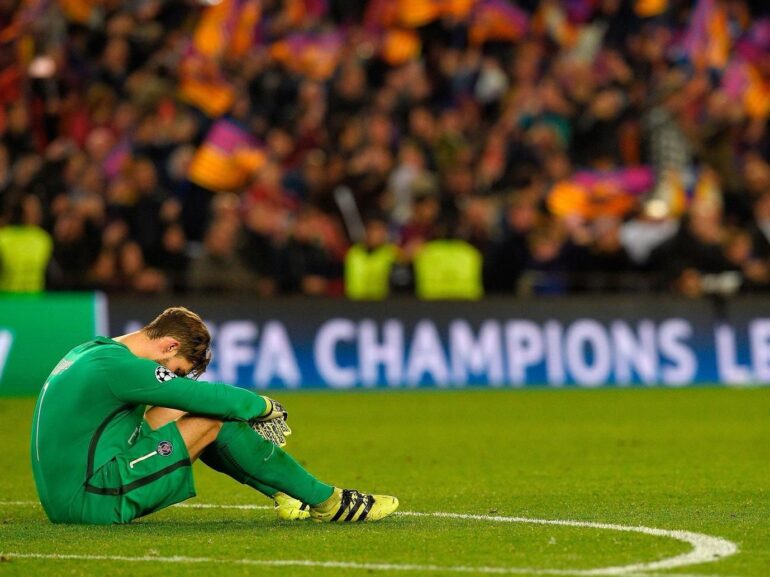
THE PSYCHOLOGY OF CHOKING IN SPORT: WHY ATHLETES FREEZE
Miné Fourie
@mine.fouriee
“Choking” or “freezing” in sport is a term that is definitely not unusual for athletes. Choking happens when one is under the utmost pressure to perform — right when it matters most. For centuries, athletes have wondered if there really is any cure.
During a “choke”, our bodies are busy with a threat response to something that is happening in our external environment. Many different scenarios can cause a person to freeze because everyone has a different stressor. For some people, it can be speaking in public. Others panic during a difficult conversation. For many people, the pressure to perform in sport can be the thing that causes their choking.
According to the Harvard Business Review, your body enters a position where it wants to protect you against any harm, and then releases hormones such as cortisol and adrenaline. This causes your heart rate to accelerate and even your armpits to sweat. Your body then begins to panic, and the working memory needed for competing in your sport becomes impaired. Your brain then starts to recall and relive negative behaviours and experiences while overthinking the actions you do on a daily basis.
When you choke, much more happens than just a decline in your performance. You trigger a terrible cycle of shame and fear that makes it even more possible for you to choke again.
Choking usually occurs when the pressure of a situation overwhelms your brain enough that you cannot cope with it. Tennis players can hit every ball during practice but will miss three balls in a row during a competition. This happens when you exit your comfort zone and when the pressure rises to a more extreme level than during a practice session.
Measures to prevent such incidents have been a hot topic in sports for years. On www.peaksports.com, tips and tricks are suggested to help you during pressure moments. Three examples include refocusing on the process, trusting your training and accepting when mistakes are made. No one can play perfectly, and even less so under pressure.
Remember, pressure is a good thing. Pressure means that you care about performing, and it can drive you to become a better version of yourself on the playing field. To all of our athletes out there — believe in yourself when someone tells you, “No pressure!”
Edited by Simoné de Witt
Similar posts

Chart
-
-
-
 play_arrow
I Had Some Help (feat. Morgan Wallen) Post Malone
-
-
-
 play_arrow
Not Like Us Kendrick Lamar
-
-
Top popular

VARSITY CUP TICKET RESELLERS AND BUYERS – MAY BE DENIED ACCESS

UNANSWERED AND UNSPOKEN: NWU’S SILENCE ON SUSPENSION OF SCC STUDENT LEADER

NWU EXPELS STUDENT LEADER AFTER INTERNAL FINDING OF SEXUAL MISCONDUCT

MARCHING FOR JUSTICE AND POLICE ACCOUNTABILITY: THE TRUTH BEHIND THE TMM LOFTS PROTEST

DEGENAAR PRAAT OOR DIE NA-SKOK VAN ‘N TRAGEDIE

Post comments (0)