-
 play_arrow
PUKfm
-
 play_arrow
London Calling Podcast Yana Bolder
-
 play_arrow
Summer Festival Podcast Robot Heart
-
 play_arrow
Electronic Trends Podcast Aaron Mills
-
 play_arrow
New Year Eve Podcast Robot Heart
-
 play_arrow
Techno Podcast Robot Heart
-
 play_arrow
Flower Power Festival Podcast Robot Heart
-
 play_arrow
Tech House Podcast Robot Heart
-
 play_arrow
Winter Festival Podcast Robot Heart
music_note


WUTHERING HEIGHTS: FROM GOTHIC HORROR TO VALENTINE’S ROMANCE
Caitlyn Miles
@Kaitlynmiles123
Gothic novel meets modern cinema
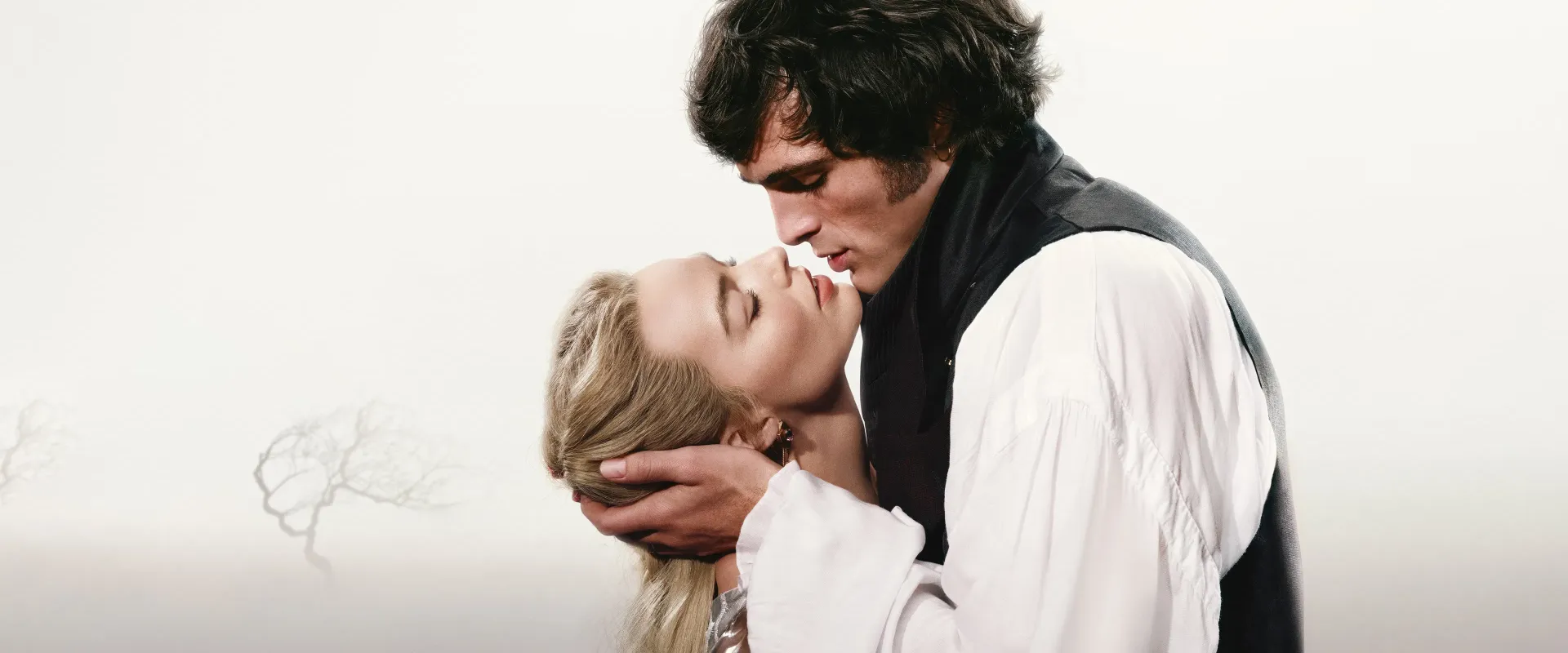
After the trailer for the 2026 adaptation of Wuthering Heights was released, starring Margot Robbie and Jacob Elordi, debate quickly spread across social media. Critics and fans alike question everything, from casting choices to whether the film romanticises a story long known for its darkness. This raises the question: what happens when a deeply Gothic 19th-century novel meets modern cinematic culture?
The True Goth
Emily Brontë, one of the renowned Brontë sisters, published Wuthering Heights in 1847, a novel that quickly became associated with the emerging tradition of Gothic literature.
The novel features classic Gothic elements: bleak landscapes, psychological darkness, and emotional extremity. Brontë’s depiction of Heathcliff and Catherine’s relationship is one of obsessive attachment-destructive, unsettling, and morally uncomfortable. For Brontë, the characters were deeply flawed rather than romantic heroes, and the novel’s reputation was disturbing rather than sentimental or romantic.
A Modern Adaptation
In the 2026 film, an adaptation directed by Emerald Fennell, Wuthering Heights is depicted as a tragic romance, which cuts off at chapter sixteen of Brontë’s novel. With high-profile casting, what the internet now calls “iPhone face” actors (a term that refers to actors whose distinctly modern appearance can make historical settings feel less convincing to audiences), and the heavy influence of modern Hollywood aesthetics, the movie emphasises the romantic chemistry and visual storytelling of Catherine and Heathcliff. Like many modern literary adaptations, the film softens the harsher aspects of Brontë’s characters and relies heavily on symbolism and visual themes.
Fennell’s adaptation has been accused of converting the dark, gothic, and abusive nature of the novel into a sexualised, stylised, romantic drama. Many Brontë readers argue that modern audiences interpret intense relationships as tragic romance rather than the Gothic horror it was originally known as. Margot Robbie, who played Catherine Earnshaw in the adaptation, immediately drew criticism over casting. Critics also questioned the portrayal of Heathcliff, who in the novel is described as rough and unsettling. Yet the film’s casting of Jacob Elordi presents a far more traditionally attractive and forgivable version of the character. Some critics argue that modern celebrity culture brings glamour and sympathy to characters that were originally meant to disturb readers. Critics argue that casting ‘iPhone face’ actors shifts the story’s tone from disturbing to alluring.
Why the debate?
Much of the criticism has circulated on platforms like TikTok and X, where viewers debate whether the adaptation captures Brontë’s Gothic tone or reshapes it into a modern romance. Classic texts are repeatedly reinterpreted, and each era reads literature through its own cultural values. In modern storytelling, emotional relatability and psychological explanations are prioritised because audiences respond more easily to them. Gothic literature thrives on ambiguity and discomfort, but modern films can often simplify this in their adaptations. The adaptation arguably reveals more about contemporary culture than about Brontë’s original novel.
The Moors in The Modern Imagination
The controversy among Brontë fans and movie lovers lies in the tension between Gothic darkness, and modern romantic storytelling. Although the adaptation became known as the ‘Valentine’s Day movie’, there is something to say about the endurance of Wuthering Heights as a cultural text. This adaptation reveals how modern audiences reinterpret difficult stories to make them more emotionally relatable.
The real question is not whether the new film changes the story, but why modern audiences continue to reshape it in the first place.
Edited by Isabel Burgers

Chart
-
-
-
 play_arrow
I Had Some Help (feat. Morgan Wallen) Post Malone
-
-
-
 play_arrow
Not Like Us Kendrick Lamar
-
-
Top popular

VARSITY CUP TICKET RESELLERS AND BUYERS – MAY BE DENIED ACCESS

UNANSWERED AND UNSPOKEN: NWU’S SILENCE ON SUSPENSION OF SCC STUDENT LEADER

NWU EXPELS STUDENT LEADER AFTER INTERNAL FINDING OF SEXUAL MISCONDUCT

MARCHING FOR JUSTICE AND POLICE ACCOUNTABILITY: THE TRUTH BEHIND THE TMM LOFTS PROTEST

DEGENAAR PRAAT OOR DIE NA-SKOK VAN ‘N TRAGEDIE

Post comments (0)