-
 play_arrow
PUKfm
-
 play_arrow
London Calling Podcast Yana Bolder
-
 play_arrow
Summer Festival Podcast Robot Heart
-
 play_arrow
Electronic Trends Podcast Aaron Mills
-
 play_arrow
New Year Eve Podcast Robot Heart
-
 play_arrow
Techno Podcast Robot Heart
-
 play_arrow
Flower Power Festival Podcast Robot Heart
-
 play_arrow
Tech House Podcast Robot Heart
-
 play_arrow
Winter Festival Podcast Robot Heart
music_note


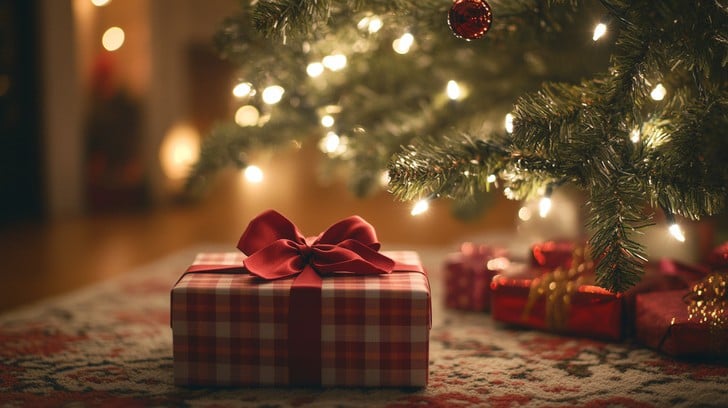
HOW DIFFERENT CULTURES CELEBRATE THE HOLIDAYS
Abygail Smit
@Abysmit06
As the year comes to an end, the world comes together to celebrate the festive season in ways that reflect their histories, beliefs, cultures, and values. While Christmas, as we know it, is widely celebrated in South Africa, it forms just one part of a diverse tapestry of year-end traditions. Festivals such as Hanukkah, Yule, and Kwanzaa also carry deep cultural significance. Let’s take a dive into the festive worlds of year-end traditions.
Christmas
The 25th of December marks the birth of Jesus Christ in the Christian faith. Across cultures, Christian customs vary widely: in South Africa, families often enjoy outdoor celebrations such as braais, where togetherness is the focus. In parts of Europe, Advent traditions form a central part of the season. According to Christianity.com, Advent is the four-week period leading up to Christmas in which families reflect on the themes of hope, peace, joy, and love.

Yule
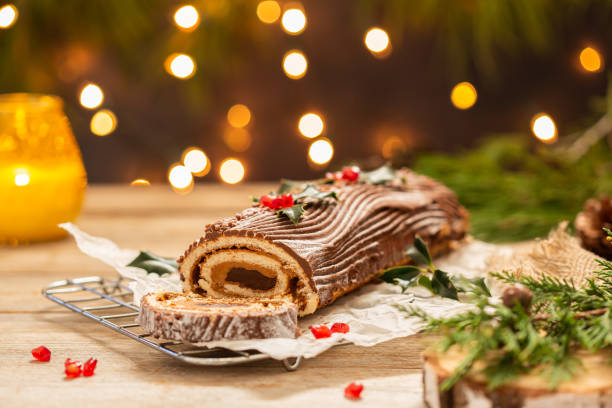
Before Christmas was popularised, Yule was celebrated by ancient Germanic and Nordic communities during the winter solstice. Today, Yule remains an important festival for many pagan, Wiccan, and nature-based spiritual groups. In the Northern Hemisphere, it takes place around 21–22 December, marking the longest night of the year.
In the Southern Hemisphere, some modern practitioners observe a mid-year “Yule in July” to align the festival with their own winter season. Contemporary Yule traditions include lighting candles to welcome the return of the sun, feasting, and decorating evergreens—a practice that later influenced some Christmas customs.
Hanukkah
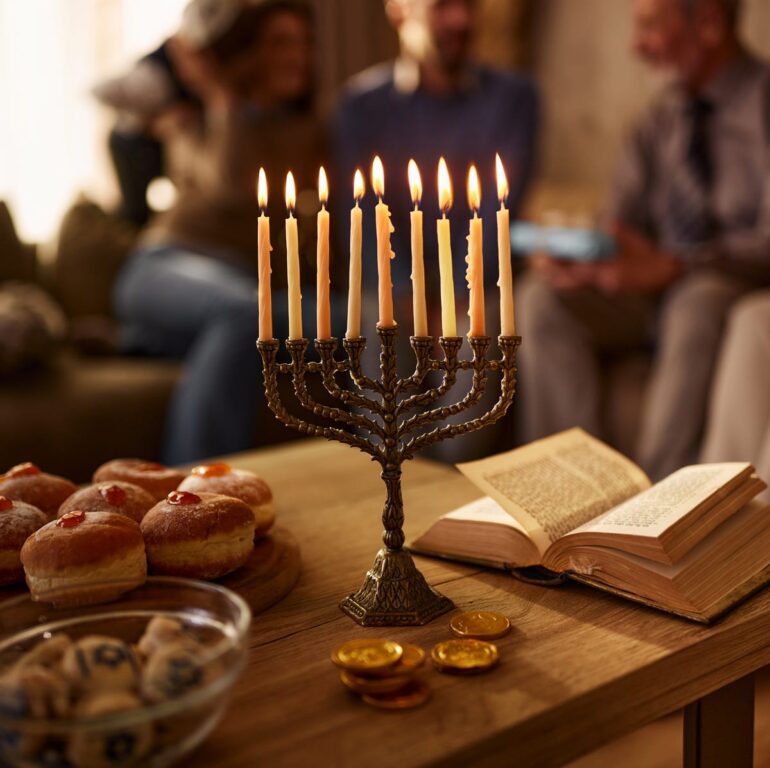
Hanukkah, the Jewish Festival of Lights, lasts eight days and usually falls in late November or December. Families light a menorah—a nine-branched candelabrum—each evening to commemorate the miracle of the oil that burned for eight nights in the Temple of Jerusalem.
Traditional foods such as latkes and sufganiyot (jelly doughnuts) are prepared, many of them fried in oil to symbolise the miracle, as explained by FactRetriever.com. Families also play games like spinning the dreidel, preserving cultural memory and strengthening bonds.
Kwanzaa
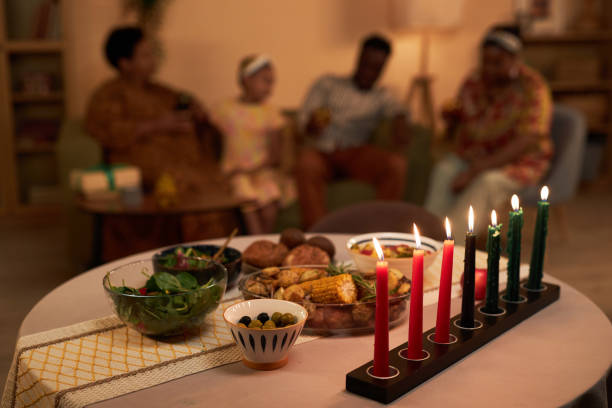
Kwanzaa is a cultural holiday that celebrates African heritage and values. Observed between 26 December and 1 January, the week focuses on seven principles, including unity, self-determination, collective work, and creativity. Families light candles on a kinara, share poetry and music, and prepare traditional African dishes while reflecting on cultural identity. According to Britannica, Kwanzaa was founded in 1966 by Dr. Maulana Karenga, a professor of African Studies in the United States, which is why the holiday is primarily celebrated there.
Final Thoughts
There are many unique holidays honoured around the world at the end of each year. Although their practices differ, they share common themes: family, hope, tradition, and love. ’Tis the season—no matter how, or what, you celebrate.
Edited by Simoné de Witt
Chart
-
-
-
 play_arrow
I Had Some Help (feat. Morgan Wallen) Post Malone
-
-
-
 play_arrow
Not Like Us Kendrick Lamar
-
-
Top popular

VARSITY CUP TICKET RESELLERS AND BUYERS – MAY BE DENIED ACCESS

UNANSWERED AND UNSPOKEN: NWU’S SILENCE ON SUSPENSION OF SCC STUDENT LEADER

NWU EXPELS STUDENT LEADER AFTER INTERNAL FINDING OF SEXUAL MISCONDUCT

MARCHING FOR JUSTICE AND POLICE ACCOUNTABILITY: THE TRUTH BEHIND THE TMM LOFTS PROTEST

DEGENAAR PRAAT OOR DIE NA-SKOK VAN ‘N TRAGEDIE

Post comments (0)