-
 play_arrow
PUKfm
-
 play_arrow
London Calling Podcast Yana Bolder
-
 play_arrow
Summer Festival Podcast Robot Heart
-
 play_arrow
Electronic Trends Podcast Aaron Mills
-
 play_arrow
New Year Eve Podcast Robot Heart
-
 play_arrow
Techno Podcast Robot Heart
-
 play_arrow
Flower Power Festival Podcast Robot Heart
-
 play_arrow
Tech House Podcast Robot Heart
-
 play_arrow
Winter Festival Podcast Robot Heart
music_note
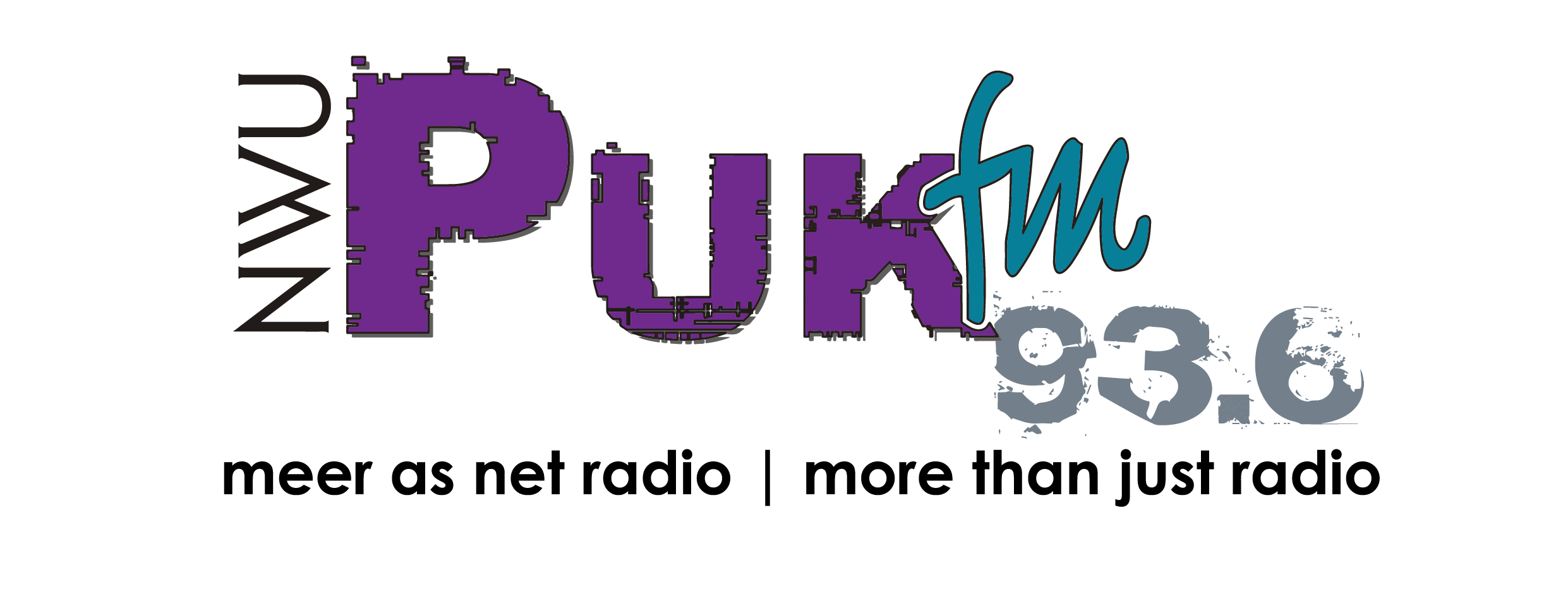
UFS UNCOVERS HIDDEN DANGERS OF SANITARY PADS AND PANTYLINERS
Mhlengi Khumalo
@into.mbiyakwakhumalo
Menstrual products used by millions of South Africans every month have been found to contain hormone-disrupting chemicals — even those marketed as “chemical-free” or “organic”. A groundbreaking study released this week by the University of the Free State (UFS) warns that long-term exposure to these substances could be an overlooked factor in reproductive health issues.
The research team, which included PhD candidate Janine Blignaut; Dr Gabre Kemp from the Department of Microbiology and Biochemistry; and Professors Elizabeth Erasmus, Deon Visser, and Marietjie Schutte-Smith from the Department of Chemistry, analysed 16 brands of sanitary pads and eight types of pantyliners popular in South African retail stores.
Using advanced laboratory methods, they tested for 20 specific endocrine-disrupting chemicals (EDCs) — substances that interfere with the body’s natural hormones — specifically phthalates, bisphenols and parabens.
The Brands Tested
Researchers analysed 16 sanitary pads and eight pantyliners popular in major retail stores. They found that every single product tested contained at least two harmful chemicals. Here is a list of the brands of the pads and pantyliners that were tested:
Sanitary Pads:
- Always (Ultra-thin, Maxi thick)
- Anna Organics
- Comfitex (Ultra-thin pads teens)
- Kotex (Ultra thin, Maxi)
- My Time (Ultra-thin red & purple)
- Libresse (Ultra+ pink, Maxi long+)
- Lil-lets (Teen petit, Ultra thin, Maxi thick)
- Stayfree (Maxi, Maxi teens)
Pantyliners:
- Always
- Anna
- Comfitex
- Kotex
- Lil-lets
- Libresse
- Stayfree
- Flo
The Staggering Results
The findings revealed widespread contamination across the board. Every sanitary pad and pantyliner tested contained at least two of the targeted harmful chemicals.
- Bisphenols (including BPA): Detected in 100% of sanitary pads and 75% of pantyliners. These mimic oestrogen and are linked to Polycystic Ovary Syndrome (PCOS) and endometriosis.
- Parabens: Found in over 81% of pads and 75% of liners. These preservatives can disrupt the menstrual cycle and are linked to abnormal cell growth.
- Phthalates: Present in 100% of pantyliners tested and in 50% of sanitary pads. Used to improve flexibility and retain fragrance, they can reduce fertility and irritate sensitive skin.
According to the researchers, these chemicals are often not added intentionally but migrate into the products from plastics, adhesives and manufacturing equipment. Prof Visser noted that the heat-pressing process used during manufacturing can cause these chemicals to move into the top layer that rests directly against the skin.
Why It Matters
The vagina is lined with mucosal tissue, which is thin and highly absorbent. Unlike normal skin, this tissue allows chemicals to pass directly into the bloodstream without first being filtered by the liver.
While the chemical levels in a single pad are low, cumulative exposure — through using these products for decades — may create a “slow build-up” of toxins in the body. Currently, the South African Bureau of Standards (SABS) does not test for these specific chemicals, leaving a significant regulatory “blind spot”.
Marketing in the Wake of the Study
The release of the UFS study has prompted a surge in tactical advertising from alternative product brands. Several local businesses have used the findings to highlight their own “earth-friendly” or “antimicrobial” offerings as safer alternatives to the popular brands tested.
How to Stay Safe
Check labels: Look for the OEKO-TEX Standard 100 seal, which certifies that products are free from harmful substances.
Go unscented: Scented liners often contain higher levels of phthalates to retain fragrance.
Consider reusable alternatives: UFS researchers are currently working on developing sustainable, antimicrobial reusable pads that eliminate chemical risks and reduce waste.
Demand transparency: The UFS team believes manufacturers should disclose all chemicals in their products, even if they fall below current legal limits.
The UFS findings reveal a systemic lack of safety regulations for menstrual products in South Africa. As chemical contaminants linked to reproductive disorders remain unmonitored by the SABS, the health of millions of women remains at risk. Advocacy for mandatory chemical disclosure and stricter national standards is now essential to ensure that basic hygiene products do not compromise long-term physical safety.

Edited by Simoné de Witt
Similar posts


Chart
-
-
-
 play_arrow
I Had Some Help (feat. Morgan Wallen) Post Malone
-
-
-
 play_arrow
Not Like Us Kendrick Lamar
-
-
Top popular

VARSITY CUP TICKET RESELLERS AND BUYERS – MAY BE DENIED ACCESS
UNANSWERED AND UNSPOKEN: NWU’S SILENCE ON SUSPENSION OF SCC STUDENT LEADER

NWU EXPELS STUDENT LEADER AFTER INTERNAL FINDING OF SEXUAL MISCONDUCT

MARCHING FOR JUSTICE AND POLICE ACCOUNTABILITY: THE TRUTH BEHIND THE TMM LOFTS PROTEST

DEGENAAR PRAAT OOR DIE NA-SKOK VAN ‘N TRAGEDIE

Post comments (0)