-
 play_arrow
PUKfm
-
 play_arrow
London Calling Podcast Yana Bolder
-
 play_arrow
Summer Festival Podcast Robot Heart
-
 play_arrow
Electronic Trends Podcast Aaron Mills
-
 play_arrow
New Year Eve Podcast Robot Heart
-
 play_arrow
Techno Podcast Robot Heart
-
 play_arrow
Flower Power Festival Podcast Robot Heart
-
 play_arrow
Tech House Podcast Robot Heart
-
 play_arrow
Winter Festival Podcast Robot Heart
music_note

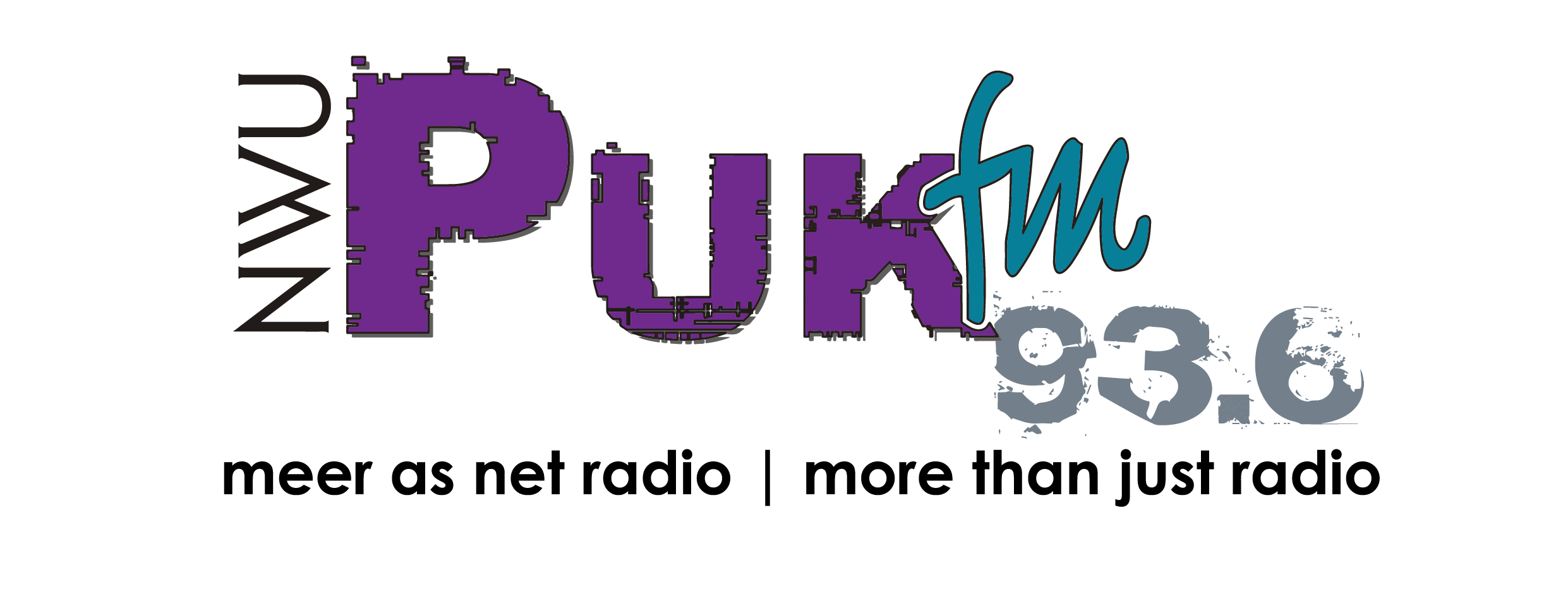
INTERNATIONAL WOMEN’S DAY: WHY WE CELEBRATE
Miné Fourie
@mine.fouriee
The 8th of March marks the day women are celebrated by the world for not only breaking glass ceilings – but for surviving challenges and succeeding despite them.
International Women’s Day commemorates a strike organised by Russian women in 1917 for “bread and peace” that helped set fire to the Russian Revolution. What was supposed to be a protest for the rights and living conditions of women became a global movement. This day is recognised as an official public holiday in over 20 countries – including Russia, Ukraine and China (only for women). In many other countries, it serves as a universal celebration of women and the impact they have on society.
The colours purple, green and white are commonly associated with International Women’s Day. The colours originated from the early suffering of women around the world and symbolise justice, hope and purity. Today, these colours also remind us of the barriers and obstacles that women had to overcome just to break a few of the glass ceilings that had been placed over their heads.
The United Nations (UN) started officially sponsoring International Women’s Day in 1975. They have since used the day to bring certain issues affecting women to light, such as gender-based violence, and the limited or lack of education. For 2026, the UN theme is: “Rights. Justice. Action. For ALL Women and Girls”. Each year, the organisation chooses a new theme that highlights these issues internationally. According to the organisation, women globally only hold about 64% of the legal rights that men enjoy, rights that most men often overlook or take for granted.
International Women’s Day comes with many different celebrations across the world. In Italy, it is normal to give small yellow mimosa flowers to the women in one’s life, whereas in China many women are granted half a day off from work, and in Chile protesters walk around with green handkerchiefs to raise awareness about women’s rights.
In 1956, South Africans began to acknowledge the 9th of August as National Women’s Day when over 20 000 South African women of different races marched on the Union Buildings in protest of the Urban Areas Act of 1950. This act divided residential and workplace areas into different sections for those of different skin colours. The aim was to end mixed neighbourhoods, and isolate people of darker skin colours. This protest became a day of unity and courage and later became our country’s very own National Women’s Day.
Throughout centuries, many women had to stand down or accept second place when it came to recognition for their achievements. Some of their milestones are still, to this day, overlooked and overshadowed by the accomplishments of men. For example, Marie Curie was the first person to win two Nobel Prizes in different fields. She mastered the use of radiation in medicine and created X-rays during World War I that helped millions of soldiers.
Margaret Hamilton is another example of a woman who did not get the recognition she deserved, as she led the NASA Apollo team responsible for on-board software and created code that prevented the moon landing from being aborted when the computer systems became overloaded during the launch. Although this event took place in 1969, she only received the Presidential Medal of Freedom in 2013 from Barack Obama, decades after the achievement.
While the 8th of March celebrates women, it also serves as a reminder that gender equality is not simply a trend or a breakthrough but rather the goal. It motivates societies to continue working towards a future where everyone is equal and treated with fairness.
Edited by Antoinette Tshikota
Similar posts

Chart
-
-
-
 play_arrow
I Had Some Help (feat. Morgan Wallen) Post Malone
-
-
-
 play_arrow
Not Like Us Kendrick Lamar
-
-
Top popular

VARSITY CUP TICKET RESELLERS AND BUYERS – MAY BE DENIED ACCESS

UNANSWERED AND UNSPOKEN: NWU’S SILENCE ON SUSPENSION OF SCC STUDENT LEADER

NWU EXPELS STUDENT LEADER AFTER INTERNAL FINDING OF SEXUAL MISCONDUCT

MARCHING FOR JUSTICE AND POLICE ACCOUNTABILITY: THE TRUTH BEHIND THE TMM LOFTS PROTEST

DEGENAAR PRAAT OOR DIE NA-SKOK VAN ‘N TRAGEDIE

Post comments (0)