-
 play_arrow
PUKfm
-
 play_arrow
London Calling Podcast Yana Bolder
-
 play_arrow
Summer Festival Podcast Robot Heart
-
 play_arrow
Electronic Trends Podcast Aaron Mills
-
 play_arrow
New Year Eve Podcast Robot Heart
-
 play_arrow
Techno Podcast Robot Heart
-
 play_arrow
Flower Power Festival Podcast Robot Heart
-
 play_arrow
Tech House Podcast Robot Heart
-
 play_arrow
Winter Festival Podcast Robot Heart
music_note
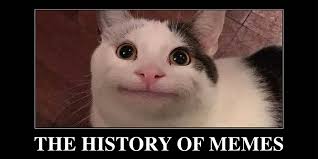
DOWN FOR DOOMSDAY: MEMES, WAR AND GEN Z
Caitlyn Miles & Fulufhelo Nesane
@pigsareweird21 & @Kaitlynmiles123
From stickers to GIFs and surprised Pikachu faces to Shia LeBouf’s infamous “Just Do It!”, memes have become the hallmark of modern humour. With their origins rooted in pop culture and entertainment, they have rapidly become Gen Z’s way to express themselves.
What is a meme?
The word “meme” was introduced in 1976 by evolutionary biologist Richard Dawkins in “The Selfish Gene”, coined by him from Greek sources, such as mimeisthai “to imitate”, and intended to echo “gene” as sourced in Etymonline – an online etymology dictionary. According to the Social Media-Tutor, “A meme is a piece of content — usually an image, video, or phrase — which spreads rapidly online, often in a humorous or relatable way.”
When asked what students think a meme is, one student described it as “anything funny”. While another student, Lwandle Xulu, said, “A meme is a reference used for humour and to make others laugh.” Thus, it can be plainly deduced that memes are meant to be funny and are used to express or highlight emotion – often to further add to a statement and/or to enhance the feeling behind it.
Influence on Gen Z
Memes have rapidly grown to become Gen Z’s identifier and the current most popular way to interact on social media platforms. From their humble beginnings in more isolated forums like Reddit and Vine, memes have blown up across all social media platforms with stunning diversity in approach. It’s no longer the tale of a simple Graphics Interchange Format (GIF). These days, memes encompass everything from content creation to advertising. Video sharing apps like TikTok and YouTube have taken the lead from older platforms such as Vine and Myspace in being the main distributor and sometimes the source of today’s most popular memes. Original audios, such as “Bombastic side eye – criminally offensive side eye” and the more recent viral “Sorry” audition from X Factor Lithuania 2015, have circulated widely and gained notoriety through these mass video-sharing platforms.
The rise of text stickers, especially on messaging apps such as WhatsApp and Facebook Messenger, has further contributed to their mainstream success. Stickers have changed the game in meme circulation through their accessibility and easy comprehension. After all, a tiny image is far more convenient than a gigantic paragraph. “When I think of a meme, I think of stickers mostly, because I use them a lot on WhatsApp,” said one student.
When asked, many students shared their reliance on memes to express themselves online and considered them a means of staying socially in the know. Even those who tend to shy away from social media couldn’t deny the occasional sticker or two over text. “Yeah, it’s to express how I’m feeling at that moment and my feelings towards the situation or what we’re talking about,” the student added when asked if memes were a way to express herself. In addition, a different student stated, “Let’s say someone says something – it will remind me of a meme I saw.”
However, some disagreed by saying they do not rely on memes for self-expression. “No. I think my main form of self-expression would be words because I type a lot. But if I want a quick reply, like ‘This is how I feel about this thing’, then I go boom – here’s a meme,” responded Michiel Du Plessis. Zwonaka Netshisaulu had this to say, “No!” No, it’s not. It does emphasise what I’m feeling in the moment, but it’s not my main form of self-expression.”
The Social Media-Tutor said, “Modern memes are more than just jokes — they’re how people communicate emotions, commentary, and culture in real time.” Memes are not just aids to texting but a snapshot of today’s culture and social trends. They provide a quick gateway into pop culture and what is, and is not, considered “in” among today’s youth. They set the tone for societal norms and have heavily influenced the use of language and modern slang. For example, phrases such as “clock it!’ and “eat it up!“ originate from memes.
Earlier generations had emoticons and emojis, while Gen Z has memes to express themselves and better understand and interact with each other. So, whether it’s through stickers, reels, GIFs, or even plain words, feel free to self-express however you see fit.
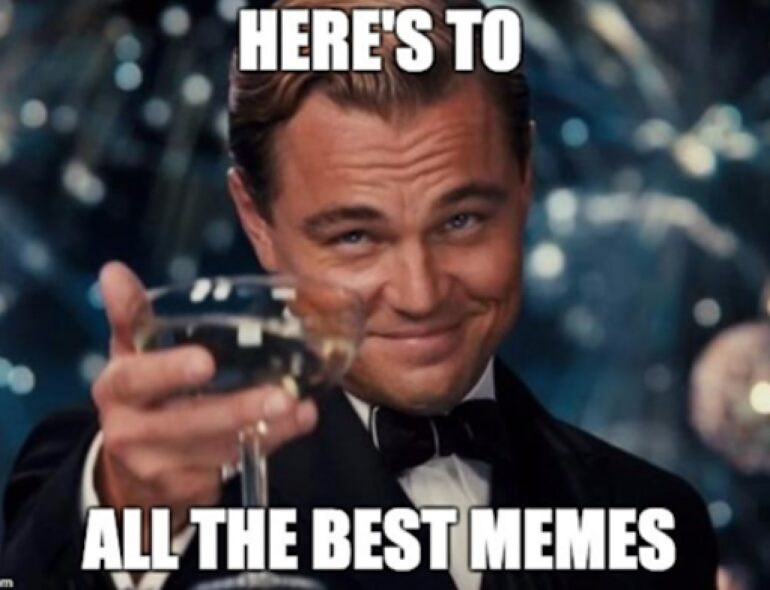
Leonardo DiCaprio lifting a glass with the caption, “Here’s to all the best memes.” (Source: Reddit.com/r/MemesESP).
Gen Z and World War III
Previous generations prepared for war. However, Generation Z, or ‘Gen Z’, create memes to joke about it, but that doesn’t mean they aren’t afraid. Now, you could scroll past a meme about World War III outfits, laugh for a second, and then realise it’s based on real headlines. However, is the rise of meme culture surrounding the possible doomsday a sign of carelessness or coping?
Dark Humour as a Defence Mechanism
Tensions around the world have increased, with wars breaking out, and allegiances being formed between countries becoming more evident. Meme culture has since erupted with “WW III outfits” or “Getting Drafted”. Mock interviews have spread like wildfire, making the experience less serious and more of a joke. However, when connected to psychology, there is a simple explanation. Humour reduces anxiety and gives control. Just because people are making jokes does not mean they don’t care. According to research done by Tine Molendijk, author of Moral Injury and Soldiers in Conflict, soldiers use pre- and post-action humour, especially dark humour, as a coping mechanism and a tool for survival.
Why the memes?
Platforms, like TikTok and Instagram, amplify reactions and spread trends quickly. According to Tomorrow’s Affairs, the WW III trend is large even on platforms, such as X, formerly known as Twitter. Memes create a shared experience through a sense of belonging, which can blend into a mix of information, humour and, sometimes, blurred seriousness.
Adding to the culture of memes is the fact that many Gen Z individuals mistrust political motives behind wars and have much less automatic trust and patriotism in governments and institutions. War is seen as a distant decision made by powerful figures who have no concern for the safety or future of their countries. According to an NBC article, Abhi Agarwal, a student at Bates College, began sharing memes and making up names for his friends’ battalion. He said, “Obviously, there’s a sense of palpable fear, and I don’t think any of us were processing that war was really an option. We weren’t brushing it off; we were joking about it because what else can you do?”
Apathy towards military service
Globally, Gen Z has retracted from involvement and support for governments and the military, with massive lows in interest towards enlistment compared to previous generations. The jokes about being drafted reflect genuine discomfort and disbelief, as many Gen Z individuals complain they have been given a difficult start to their personal goals already, and being drafted would be expecting too much.
The Reality
The fact is, Gen Z uses meme culture to shield against helplessness. There is real fear and anxiety as the generation with the least trust in governments or institutions realise their lives are not their own. Many acknowledge they have little to no control over global events.
Therefore, their humour is a deeper reflection of their fear – it is a coping mechanism. Gen Z is expressing their fears the same way previous generations have, with dark humour, but this time there are platforms for it. With the tensions rising globally and economic uncertainty for success becoming the norm, how should young people respond to the threat of another world war?
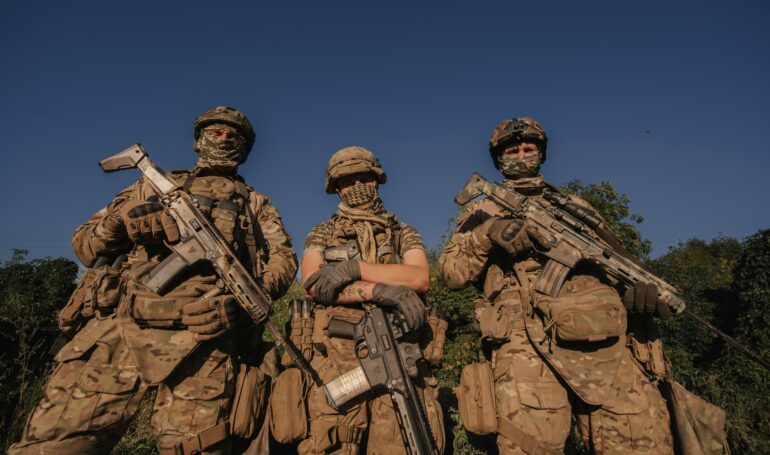
Young Soldiers (Credit: Vony Razom, Unsplash.com).
Edited by Antoinette Tshikota & Genevieve Croeser
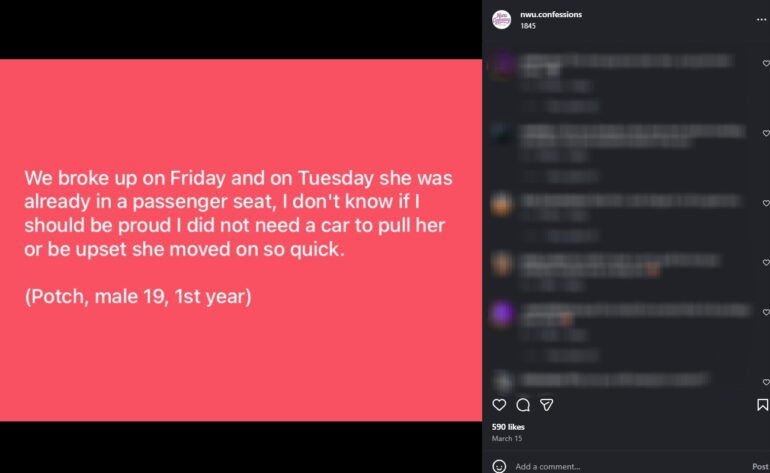
Chart
-
-
-
 play_arrow
I Had Some Help (feat. Morgan Wallen) Post Malone
-
-
-
 play_arrow
Not Like Us Kendrick Lamar
-
-
Top popular
VARSITY CUP TICKET RESELLERS AND BUYERS – MAY BE DENIED ACCESS

UNANSWERED AND UNSPOKEN: NWU’S SILENCE ON SUSPENSION OF SCC STUDENT LEADER

NWU EXPELS STUDENT LEADER AFTER INTERNAL FINDING OF SEXUAL MISCONDUCT

MARCHING FOR JUSTICE AND POLICE ACCOUNTABILITY: THE TRUTH BEHIND THE TMM LOFTS PROTEST

DEGENAAR PRAAT OOR DIE NA-SKOK VAN ‘N TRAGEDIE

Post comments (0)